
10 Essential Elements Every Business Website Should Have in 2025
Table of Contents
ToggleIntroduction: The Digital First Impression That Builds Trust
In today’s fast-paced digital world, your website is more than a business card—it’s your most valuable marketing asset. Before customers ever speak to you, they’re judging your business based on your online presence.
If your website feels outdated, slow, or confusing, potential clients won’t hesitate to move on. But when your site is designed strategically—with clarity, purpose, and conversion in mind—it can become your biggest growth engine.
At Growweb Studios, we’ve seen firsthand how a thoughtfully built website can transform small businesses into globally recognized brands. Let’s explore the 10 essential elements every business website should have in 2025 to help your brand reach its audience and grow online.
Clear Purpose & Defined Goals
A successful website starts with one simple question: What do you want visitors to do here? Whether it’s booking a consultation, making a purchase, or signing up for a newsletter, your website’s purpose should guide every design and content decision.
A well-defined goal not only makes your messaging clear but also helps measure success through leads, sales, or engagement metrics. Without a purpose, your site risks becoming digital clutter instead of a conversion machine.
Tips for goal clarity:
-
- Define your main conversion action.
-
- Keep your homepage focused on that goal.
-
- Use analytics to refine your approach.
Key Takeaways: A clear goal drives direction. Every click, scroll, and headline should guide visitors toward meaningful action.
Strategic, User-Friendly Navigation
Good design isn’t just about visuals—it’s about helping users find what they need quickly. Confusing navigation is one of the top reasons visitors leave a site.
Use a clean menu, limited to 5–7 main items, with logical categories that lead users deeper without overwhelming them. Add sticky headers so navigation stays visible, and ensure your logo links to the homepage for easy recovery.
Breadcrumbs or dropdown menus can simplify exploration, especially for product-heavy sites like those built on Shopify.
Tips for better navigation:
-
- Keep menus short and intuitive.
-
- Use descriptive labels (e.g., “Our Services” instead of “Info”).
-
- Include a search bar for quick access.
Key takeaway: Navigation should feel effortless. If visitors have to think twice, it’s time to simplify.
Seamless User Experience (UX)
User experience is the heartbeat of a high-performing website. From load speed to layout, everything should feel smooth, logical, and frustration-free.
In 2025, UX isn’t optional—it’s what sets thriving businesses apart. A seamless experience keeps users engaged longer and encourages conversions. Optimize for speed, declutter visuals, and maintain consistency across all pages.
Elements of great UX:
-
- Fast-loading pages (under 3 seconds).
-
- Clear headings, short paragraphs, and easy scannability.
-
- Accessible design (keyboard navigation, readable contrast).
Key takeaway: A beautiful site is useless if it’s slow or confusing. Make every click feel intentional and rewarding.
Branding & Visual Identity
Professional
Your brand is your business’s digital personality. A recognizable logo, cohesive color palette, and consistent typography build trust instantly.
Customers are drawn to websites that look professional and feel consistent. Whether they find you on Google or Instagram, your visuals should tell one unified story.
Use your brand colors purposefully—blue tones for trust, bold hues for energy—and integrate your logo across the site. For WordPress and Shopify sites, brand consistency can be reinforced through reusable design blocks or templates.
Branding essentials:
-
- Use 2–3 core brand colors and fonts.
-
- Include your logo on every page.
-
- Maintain visual consistency across all touchpoints.
Key takeaway: Consistent branding builds credibility. People buy from brands they recognize and trust.
Engaging Typography & Color Palette
Typography and color together shape how visitors feel about your brand. Fonts communicate personality—sleek sans-serifs feel modern and trustworthy, while serif fonts feel elegant and traditional.
Choose web-safe fonts for accessibility and responsiveness. Use hierarchy (different font sizes and weights) to lead readers through your content naturally.
Similarly, color psychology plays a crucial role. Use contrasting colors to highlight CTAs and create visual flow without overwhelming users.
Pro design tips:
-
- Stick to two fonts: one for headlines, one for body text.
-
- Maintain a clear contrast between background and text.
-
- Use brand colors strategically to direct attention.
Key takeaway: Thoughtful typography and colors enhance usability and emotional connection—both essential for engagement.
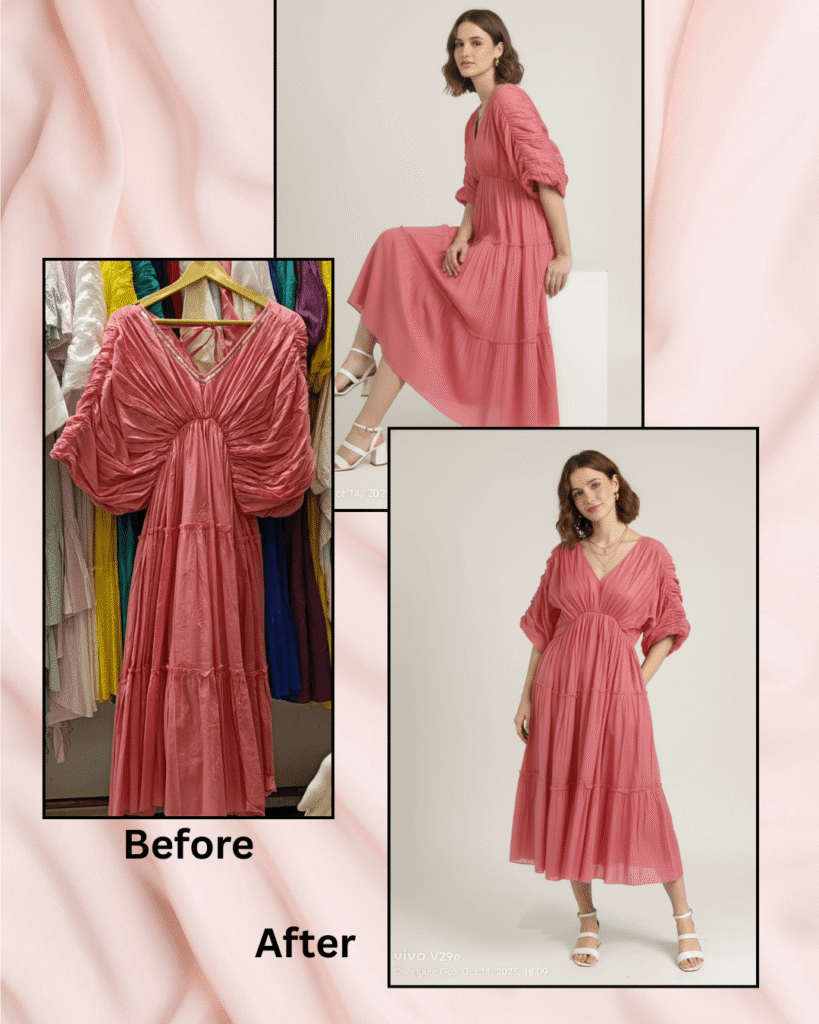
Visuals tell your story faster than words ever could. In 2025, generic stock photos no longer cut it—visitors crave authenticity.
High-quality, relevant images make your business feel real, relatable, and professional. Use original photos of your team, office, or products whenever possible. If using stock images, select ones that match your brand’s tone and industry.
For Shopify stores, product photos are key—clear, high-resolution images build confidence and increase sales.
Best practices:
-
- Optimize images for fast loading.
-
- Keep a consistent editing style or filter.
-
- Use alt text for SEO and accessibility.
Key takeaway: Great visuals communicate trust and clarity before users read a single word.
Mobile-First Responsive Design
With over 70% of traffic coming from mobile, a mobile-responsive site isn’t optional—it’s vital. A mobile-first design ensures your website looks and works flawlessly on every device.
From navigation menus to image scaling, every element should adapt automatically. Keep mobile layouts clean, prioritize vertical stacking, and ensure buttons are finger-friendly.
Google also prioritizes mobile-optimized websites in search rankings—so this isn’t just design, it’s strategy.
Checklist for responsiveness:
-
- Test on multiple devices.
-
- Simplify content hierarchy for mobile.
-
- Avoid pop-ups that interrupt UX.
Key takeaway: If your site isn’t mobile-ready, you’re losing both customers and ranking power.
Conversion-Driven CTAs
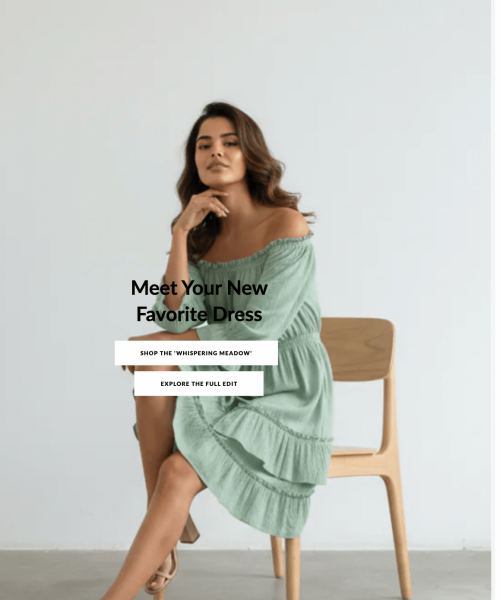
Your website’s job is to move visitors into action. That’s where strong CTAs (Call to Actions) come in.
Instead of vague “Learn More” buttons, use direct, motivating language like “Start My Free Consultation” or “Get My Quote Today.” CTAs should appear naturally across your site—above the fold, mid-page, and in the footer.
Design them to stand out using contrast and strategic placement. Pair CTAs with trust signals (reviews, certifications, or success stats) for maximum effect.
CTA strategies:
-
- Use contrasting button colors.
-
- Keep messaging benefit-focused.
-
- Test placements for conversion performance.
Key takeaway: Every page should inspire a next step—your CTAs turn curiosity into customers.
Smart, Informative Footer Design
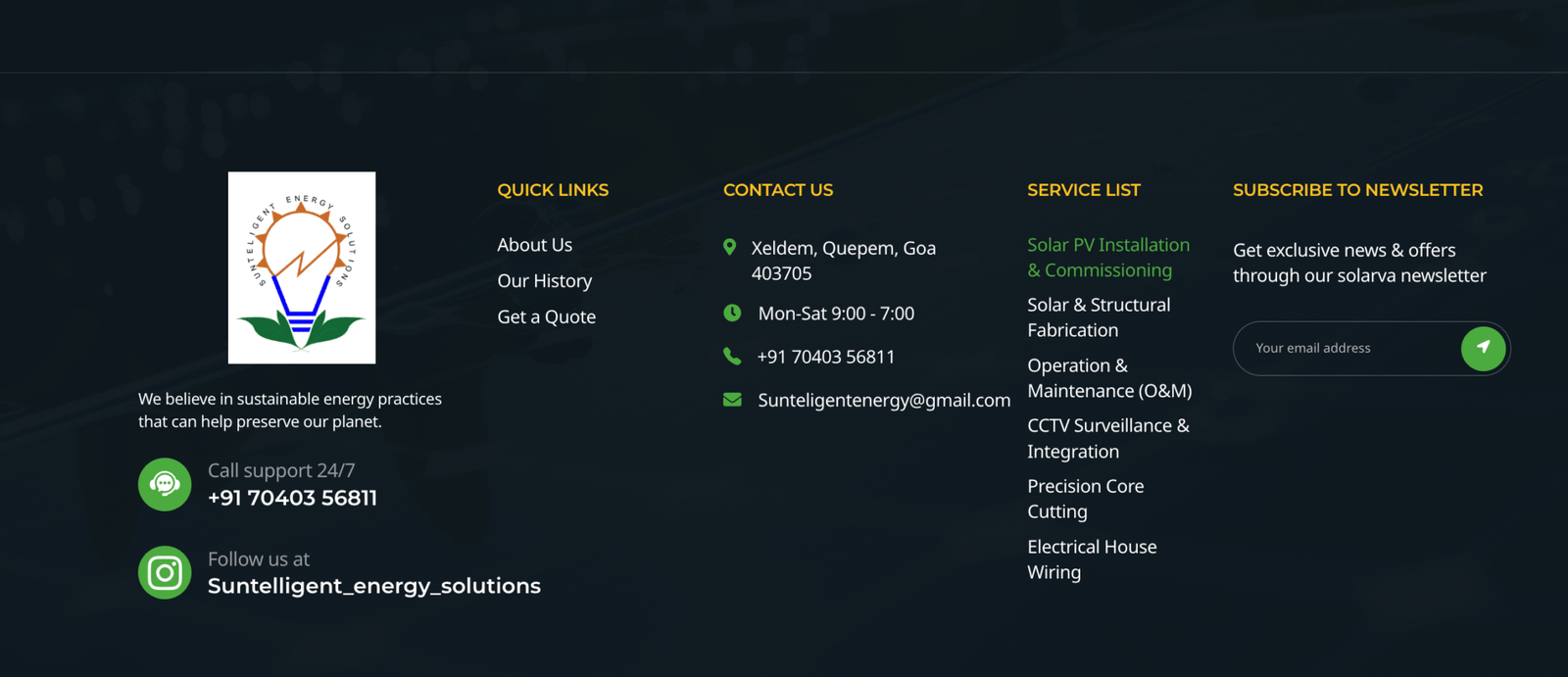
Your footer is your website’s unsung hero. It’s where visitors look for trust signals—contact details, privacy policies, or quick links.
Include essential information: your business address, email, phone number, and social icons. Add a brief tagline or mission statement to reinforce your brand purpose.
You can also include mini CTAs like “Join Our Newsletter” or “Request a Free Quote.” A clean, organized footer leaves users with confidence and easy navigation options.
Footer essentials:
-
- Contact info and quick links.
-
- Legal pages (Privacy, Terms, etc.).
-
- Social and newsletter integration.
Key takeaway: The footer ties everything together—end every visit with clarity and trust.
Frequesntly Asked Questions
Ideally, you should redesign your business website every 2–3 years, or sooner if it no longer reflects your brand identity, feels outdated, or underperforms on mobile devices. Technology and design trends evolve quickly, so a modern redesign ensures your site meets current SEO standards, accessibility requirements, and user expectations. A fresh design also gives you the opportunity to improve content structure, loading speed, and conversion rates.
Both platforms serve different needs. WordPress is the go-to choice for service-based businesses, blogs, and corporate websites because it offers full customization, scalability, and strong SEO control. On the other hand, Shopify is ideal for eCommerce and online stores, offering built-in payment systems, product management, and reliability. At Growweb Studios, we specialize in both platforms — helping businesses choose the one that best aligns with their goals and growth plans.
A conversion-focused website is designed with strategy and intent — every page element guides users toward taking action, whether that’s making a purchase, booking a call, or signing up. This includes clear calls-to-action (CTAs), intuitive navigation, fast page loading, and trust-building visuals like testimonials or case studies. Pair that with persuasive copy and analytics tracking, and you’ll have a site that continuously converts visitors into loyal customers.
Page speed can make or break your website performance. To boost loading times, start by compressing high-resolution images, using a reliable hosting provider, and implementing caching. Limit unnecessary plugins and avoid heavy scripts that slow things down. Regularly testing your site with tools like Google PageSpeed Insights or GTmetrix can help identify problem areas. At Growweb Studios, we optimize sites for both speed and SEO, ensuring your visitors enjoy a smooth browsing experience from any device.
Conclusion: Build a Website That Works as Hard as You Do
Your website isn’t just a place for people to find you—it’s where they decide to trust you. In 2025, the most successful businesses will be the ones that treat their websites like living, growing assets—optimized for users, search engines, and conversions alike.
At Growweb Studios, we help businesses build powerful, responsive websites on WordPress and Shopify that attract, engage, and convert visitors worldwide. Whether you’re planning a redesign or starting fresh, we can help your brand reach its audience and grow online with confidence.
Ready to transform your online presence?
Let’s create a website that doesn’t just look amazing—but drives real business growth.

One Response